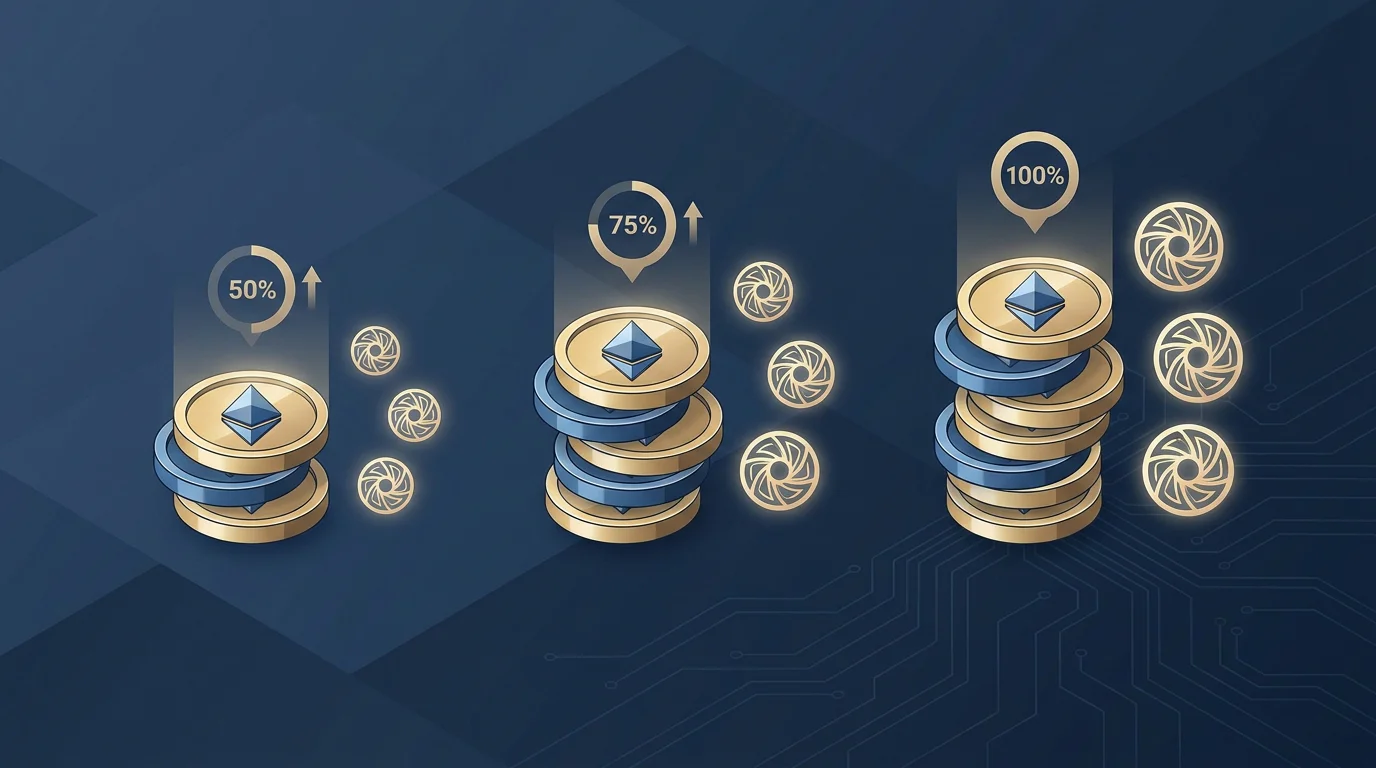
CHEXX Payments in Kenya: Crypto Deposits and Withdrawals
CHEXX uses a crypto-centred payment model. The current payment setup documented for the platform covers 11 crypto assets across 9 blockchain networks, while a direct M-Pesa or KES payment rail is not documented for Kenyan users. That distinction is important in Kenya, where mobile money is a familiar way to move funds: M-Pesa may be part of how a player acquires crypto elsewhere, but it should not be confused with a native CHEXX deposit method.
CHEXX does not charge a fee for receiving a deposit. External costs can still arise before funds reach the casino, including exchange charges and blockchain network fees. Withdrawals are also crypto-based, and CHEXX states that account funds and winnings are available for prompt withdrawal 24 hours a day, 7 days a week. The practical priority is therefore not choosing between bank, card and mobile money options, but selecting the correct asset and blockchain network and keeping the deposit and withdrawal route consistent.
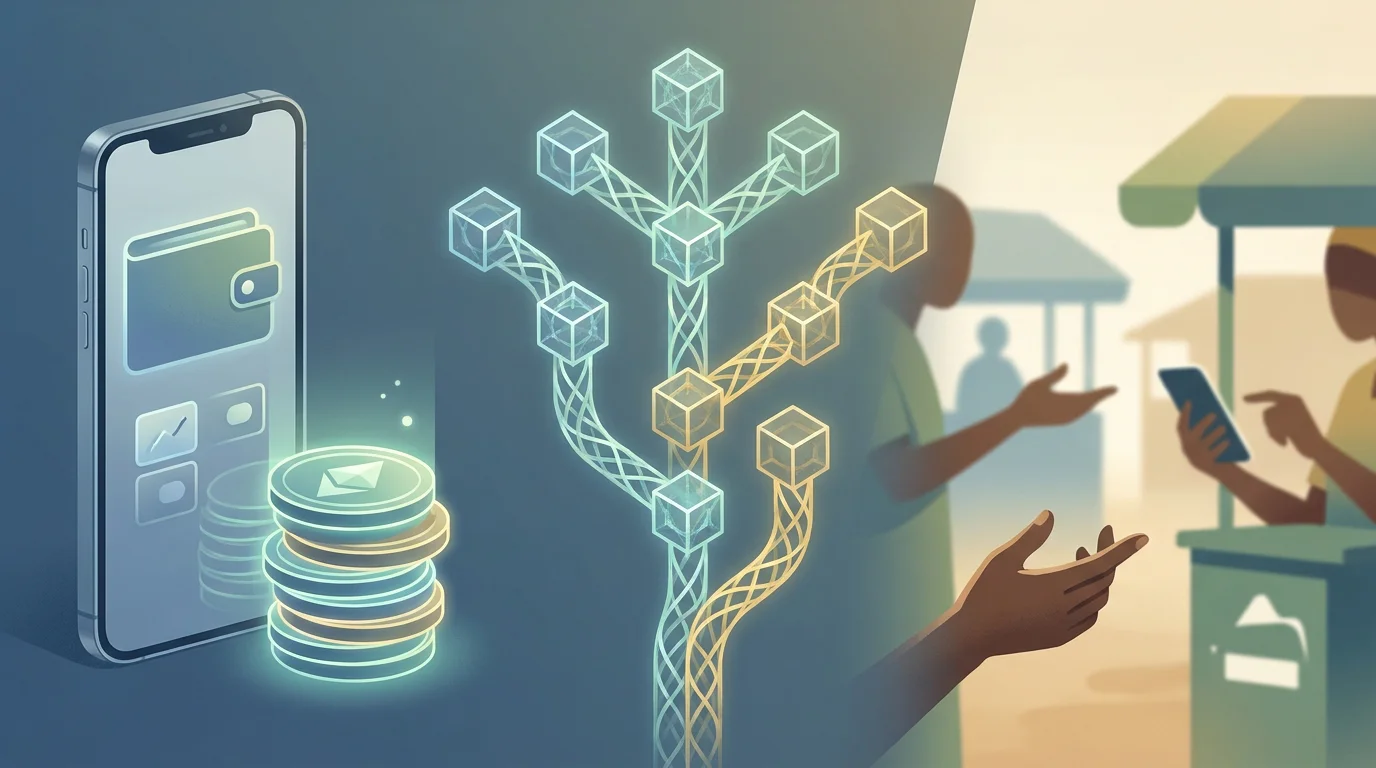
How CHEXX payments work for a Kenyan player
The payment journey is different from a locally oriented betting site that presents KES balances and a direct mobile-money button. CHEXX is designed around digital assets. A player first needs a compatible crypto wallet or exchange account, then selects an asset and network supported by CHEXX, copies the deposit address, and sends the funds over that network.
That creates two separate payment layers. The first layer is the Kenyan player’s route into crypto, which could involve an exchange, wallet service or another lawful method available to the user. The second is the actual CHEXX transaction, which begins when the supported crypto is sent to the casino’s deposit address. Costs, limits and processing rules at the first layer do not automatically come from CHEXX.
This separation also explains why searching for “CHEXX M-Pesa” can be misleading. Mobile money is highly relevant to everyday payments in Kenya, but there is no documented direct M-Pesa or KES rail in CHEXX’s current payment model. A person can potentially use a separate service to obtain crypto, yet that intermediary step is not the same thing as CHEXX accepting M-Pesa.
Supported crypto assets and networks
The platform’s current crypto set covers 11 assets: USDT, USDC, SOL, ETH, BNB, TRX, GRAM, POL, BTC, LTC and TRUMP. These are distributed across nine network families: Ethereum/ERC-20, BNB Smart Chain/BEP-20, TRON/TRC-20, Polygon, TON, Bitcoin, Solana, Litecoin and the route used for TRUMP.
Stablecoins are especially prominent because USDT is available through several networks and USDC is also supported on multiple chains. That gives users a choice between network environments while keeping the asset denomination stable. It also creates the most important payment risk: the asset name alone is not enough. Sending USDT over one chain to an address intended for another can result in a failed or unrecoverable transfer.
| Payment decision | What to check | Why it matters |
|---|---|---|
| Asset | Confirm the exact coin or token selected in CHEXX. | BTC, ETH, USDT and other assets use different wallet formats and settlement routes. |
| Network | Match the sending network to the CHEXX receiving network. | A network mismatch is a blockchain transfer problem, not a normal card-payment reversal. |
| Address | Copy and verify the deposit address before sending. | Crypto transfers are generally not reversible after confirmation. |
| Minimum | Check the current minimum shown for that asset/network. | Minimums differ by route and can change with operational settings. |
| External fee | Review the wallet or exchange fee before confirming. | CHEXX’s zero receiving fee does not remove third-party or network charges. |
Why network choice matters more than the coin logo
A familiar coin can exist on several networks. USDT is the clearest example: the token can move through Ethereum, BNB Smart Chain, TRON, Polygon and other ecosystems. CHEXX supports multiple USDT routes, so a user should treat the network selector as part of the payment method itself.

For practical purposes, “USDT deposit” is incomplete information. “USDT on TRC-20” and “USDT on ERC-20” are different transfer routes. A receiving address and the selected chain need to match the sending wallet. The same principle applies to USDC when more than one supported network is available.
Network choice can also affect the cost and speed seen outside CHEXX. Blockchain congestion and the sending service’s fee policy can differ substantially between networks. That is why the cheapest-looking deposit amount should not be judged only by the number displayed at the casino. The total cost starts before CHEXX receives the transfer.
CHEXX deposit fees versus external crypto costs
CHEXX’s stated position is simple: it does not charge a fee for receiving deposits. That is useful, but it does not mean every deposit is cost-free. A wallet may require a blockchain transaction fee, an exchange can charge for purchasing or withdrawing crypto, and a conversion between KES and a digital asset can introduce a spread or service fee.
The cleanest way to compare routes is to separate casino charges from infrastructure charges. If CHEXX receives 20 USDT and takes no receiving fee, the platform-side deposit fee is zero. If an exchange charged a withdrawal fee before the 20 USDT reached CHEXX, that cost belongs to the exchange or network side of the transaction.
What “no deposit fee” does and does not mean
It means CHEXX does not deduct a receiving fee from the incoming deposit. It does not promise that your exchange, wallet, blockchain network or currency-conversion provider will charge nothing.
Does CHEXX support M-Pesa or KES?
No direct CHEXX M-Pesa or KES payment rail is documented in the current payment setup. For a Kenyan player, that is the biggest practical difference between CHEXX and a locally focused operator. There is no reason to assume that a prominent payment method in Kenya is automatically integrated by an international crypto casino.
A user who starts with KES would normally need to obtain a supported crypto asset before making the CHEXX deposit. The exact route for doing that sits outside the casino and depends on the wallet or exchange chosen by the user. CHEXX therefore should be assessed as a crypto product, not as a KES wallet with a hidden conversion layer.
This matters for budgeting. If your normal gambling budget is set in shillings, the casino balance may be denominated in a crypto asset whose market value can move. Stablecoins can reduce exposure to large price movements relative to volatile coins, but they still require a conversion step from KES unless the player already holds them.
Deposits and withdrawals are related but not identical
The same crypto-first structure continues on withdrawal, but a cashout has additional account conditions. CHEXX states that funds and winnings are available for prompt withdrawal around the clock. That statement describes availability to request and process withdrawals; it should not be read as a promise that every blockchain payout lands at a fixed number of minutes.
Network confirmations, account reviews and the chosen asset can affect the practical time between requesting a withdrawal and seeing funds in an external wallet. Exact withdrawal limits, method-specific processing times and fees are separate high-impact details and belong in the dedicated withdrawal guide.
For deposit-side instructions, including how to verify a network before sending, see the deposit guide.
Kenya tax rules are a separate layer
Kenyan tax law applies a 5% excise duty to amounts deposited into a customer’s betting or gaming wallet. That is a general Kenyan tax rule. It should not be converted into an automatic statement that CHEXX will deduct 5% from a particular offshore crypto transfer, because the way a specific international platform handles Kenyan tax obligations is a separate question.
For a player comparing payment routes, the useful distinction is between the statutory rule and the actual transaction screen. The law establishes the Kenyan tax framework. The CHEXX cashier determines what the platform itself displays or deducts for the chosen crypto transaction. Those two pieces should not be merged without direct evidence of how the operator applies the local rule.
The same principle applies to local gambling regulation more broadly. CHEXX’s payment features are independent of its Kenya licence status. For the regulatory position, use the separate Kenya regulatory status page rather than treating a crypto deposit method as proof of local licensing.
A safer way to make a first crypto transfer
- Choose the asset first. Decide whether you want to use a stablecoin or another supported crypto asset.
- Select the network inside CHEXX. Do not assume that every network supported by your wallet is accepted for that asset.
- Match the sending network exactly. The wallet’s network setting must correspond to the receiving route shown in CHEXX.
- Check the address carefully. Compare the beginning and end of the address after pasting it into the sending wallet.
- Check the current minimum. Network-specific deposit minimums can differ.
- Review third-party costs. The casino receiving fee can be zero while your exchange or network still charges a fee.
- Consider a small first transfer. A modest test amount can reduce the consequence of an address or network mistake.
This process is slower than tapping a familiar mobile-money button, but it addresses the risks that are unique to blockchain payments. The biggest avoidable mistake is treating the crypto asset and the crypto network as if they were the same field.
It is also worth checking the destination again after switching networks in the cashier. Some wallets remember a previously used chain, while a casino cashier can generate a different address or address format after a network change. Re-reading the asset, network and destination together immediately before confirmation is a better safeguard than relying on what was selected a few screens earlier.
Who will find the CHEXX payment model convenient?
The strongest fit is a player who already holds crypto, understands wallet addresses and is comfortable choosing networks. For that user, the lack of card or mobile-money steps can make the flow direct: select a supported asset, send it to the casino and withdraw back to a compatible wallet.
The weakest fit is someone who wants to fund entirely in KES through M-Pesa without using a crypto exchange or wallet. CHEXX does not currently document that native route. The extra conversion step adds complexity, and the user is responsible for understanding the external service used to acquire or move the crypto.
For many Kenyan users, that practical fit matters more than the number of supported coins. Eleven assets across nine networks is broad for a crypto platform, but it does not solve the problem for someone whose requirement is simply “deposit directly from M-Pesa and keep the balance in KES.”
Payment verdict for Kenya
CHEXX offers a broad crypto payment setup and charges no fee for receiving deposits. Its 11 supported assets across 9 networks give crypto users multiple ways to fund an account, and the platform states that withdrawals are available 24/7. The main operational task is choosing the correct asset and matching the blockchain network exactly.
For Kenya, the limitation is equally clear: direct M-Pesa and KES rails are not documented. That makes CHEXX more convenient for users who already operate in crypto than for those who expect a local mobile-money cashier. Before sending funds, check the live deposit screen for the selected asset, network and minimum, and keep external wallet or exchange charges separate from CHEXX’s own zero receiving fee.
For the wider product picture, including games, bonuses and account considerations, return to the CHEXX Kenya review.
The full picture is in our CHEXX review for Kenya.
How to fund the account: deposits.
 Trickstar SpinsYggdrasil Gaming
 Gates of OlympusPragmatic Play
 Crazy MummyPascal Gaming
 The Boom SquadGenesis Gaming
 Sweet BonanzaPragmatic Play
 CleopatraIGT
 ReactoonzPlay'n GO
 Wanted Dead or a WildHacksaw Gaming
 Wild FudgeBetixon
 Book of the SunPascal Gaming
 Fruit CocktailIgrosoft
 Tiger RushThunderkick
 The Book of AmaterasuMascot Gaming
 Blackjack 21 ClassicClassic
 Blackjack Surrender OriginsSurrender
 Turbo BlackjackFast-play
 Classic BlackjackClassic
 Vegas Downtown Blackjack GoldGold Series
 Multihand BlackjackMultihand
 Perfect Pairs BlackjackSide Bet
 Quantum Blackjack PlusMultiplier
 European BlackjackMultihand
 Vegas Strip BlackjackClassic
 Ultimate Blackjack with RachaelLive-style
 Premier Blackjack with Side BetsSide Bet
 American BlackjackClassic
 Double Exposure BlackjackDouble Exposure
 Blackjack Lucky LadiesSide Bet
 Mega Fire Blaze RouletteMultiplier
 Multifire RouletteMultiplier
 Lucky RouletteClassic
 Auto RouletteSwitch Studios
 Gold RouletteGold Series
 Immortal Romance RouletteThemed
 Dragon RouletteThemed
 European RouletteClassic
 American RouletteClassic
 Mini Roulette 3DMini
 Quantum RouletteMultiplier
 French RouletteNetEnt
 Double Ball American RouletteDouble Ball
 Monopoly Roulette TycoonThemed
Written by the editors at Chexx Casino.